Midjourney AI

Midjourney Prompt Structure

Learn a practical way to organize Midjourney prompts using subjects, mediums, environments, composition, lighting, color, mood, details, and parameters.

Midjourney prompt structure and prompt formula concept

Quick Answer

There is no single required Midjourney prompt formula. A practical structure is to describe the subject first, then add the medium, environment, composition, lighting, color, mood, useful details, and parameters when needed.

What Is Midjourney Prompt Structure?

Prompt structure is a way to organize the visual information in a prompt so that the main idea is easy to understand and refine. It is a practical writing framework, not a required Midjourney syntax.

There Is No Single Prompt Formula

A prompt formula can be useful as a starting framework, but it should not limit your creative process. A portrait, product photograph, landscape, and abstract image may need different information.

Subject

The subject is the main thing you want the image to show. Make it specific enough to establish a clear visual direction, especially when the scene contains multiple objects or characters.

Medium

The medium describes the visual form of the image, such as photography, illustration, painting, concept art, editorial imagery, or product photography.

Environment

The environment establishes where the subject exists. It can provide context through location, architecture, landscape, weather, interior design, or other surrounding elements.

Composition

Composition describes framing and spatial organization. You can specify the camera angle, shot type, subject placement, perspective, or other visual arrangement when it matters.

Lighting

Lighting controls the visual character of the scene. Useful descriptions can include soft light, dramatic shadows, studio lighting, backlighting, natural light, or golden-hour light.

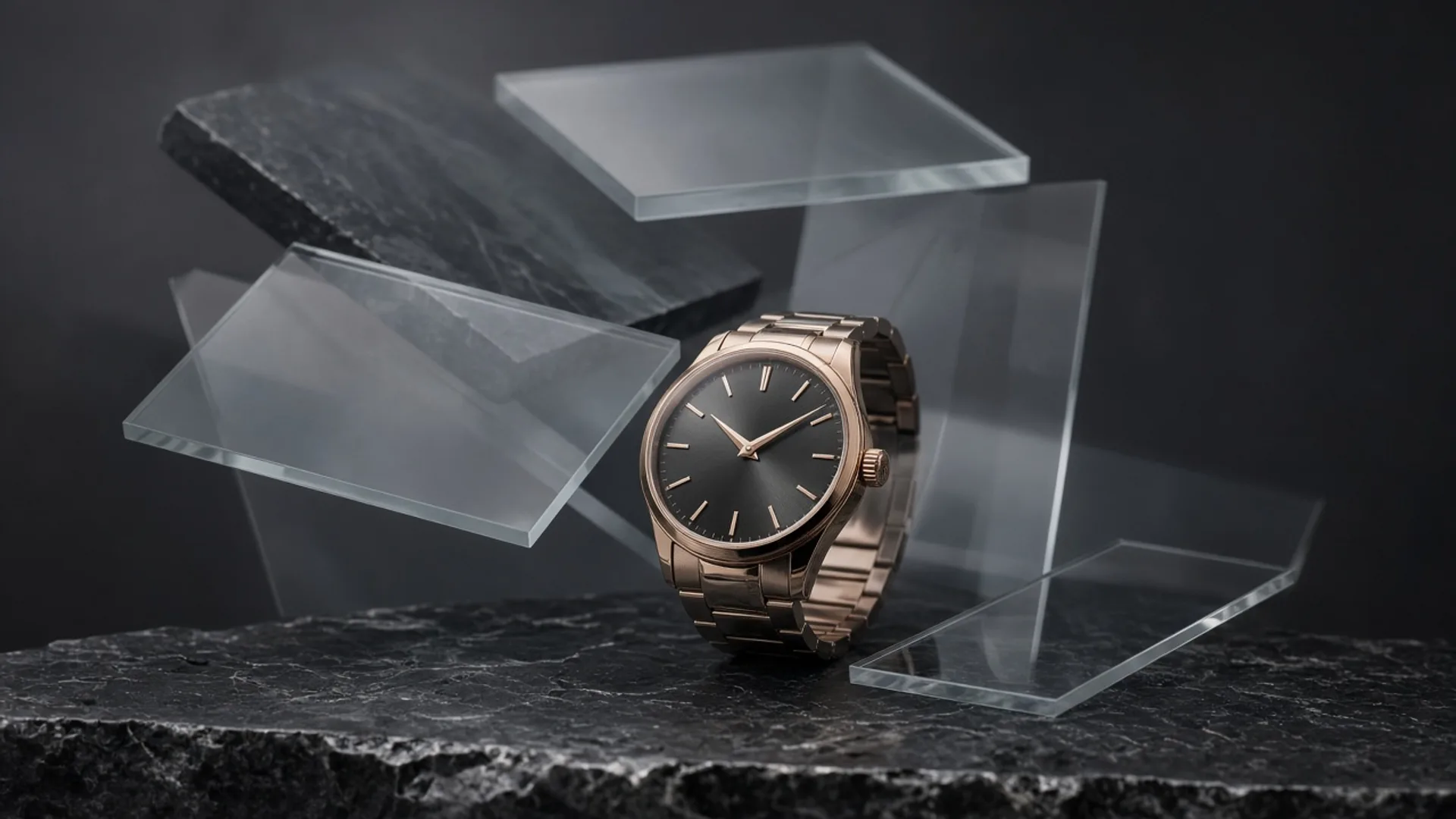
Midjourney prompt elements including subject environment lighting and composition

Color

Color descriptions can establish the palette and contrast of the image. Consider whether your idea needs warm colors, cool colors, muted tones, high contrast, or another specific direction.

Mood

Mood describes the emotional atmosphere you want the image to communicate. It can support the subject and environment without replacing them.

Details

Details are optional visual information that helps refine the result. Use details such as materials, textures, clothing, props, surface qualities, or small environmental elements when they have a clear purpose.

Parameters

Parameters control specific generation settings rather than describing the visual subject itself. For example, --ar can control aspect ratio, while --stylize can influence how strongly Midjourney's aesthetic style is applied.

A Practical Prompt Structure

A useful starting structure is:

              Subject → Medium → Environment → Composition → Lighting → Color → Mood → Details → Parameters
            

Not every prompt needs every element. Remove any category that does not contribute to the image you want.

Prompt Structure Example

Editorial Product Photograph

Prompt

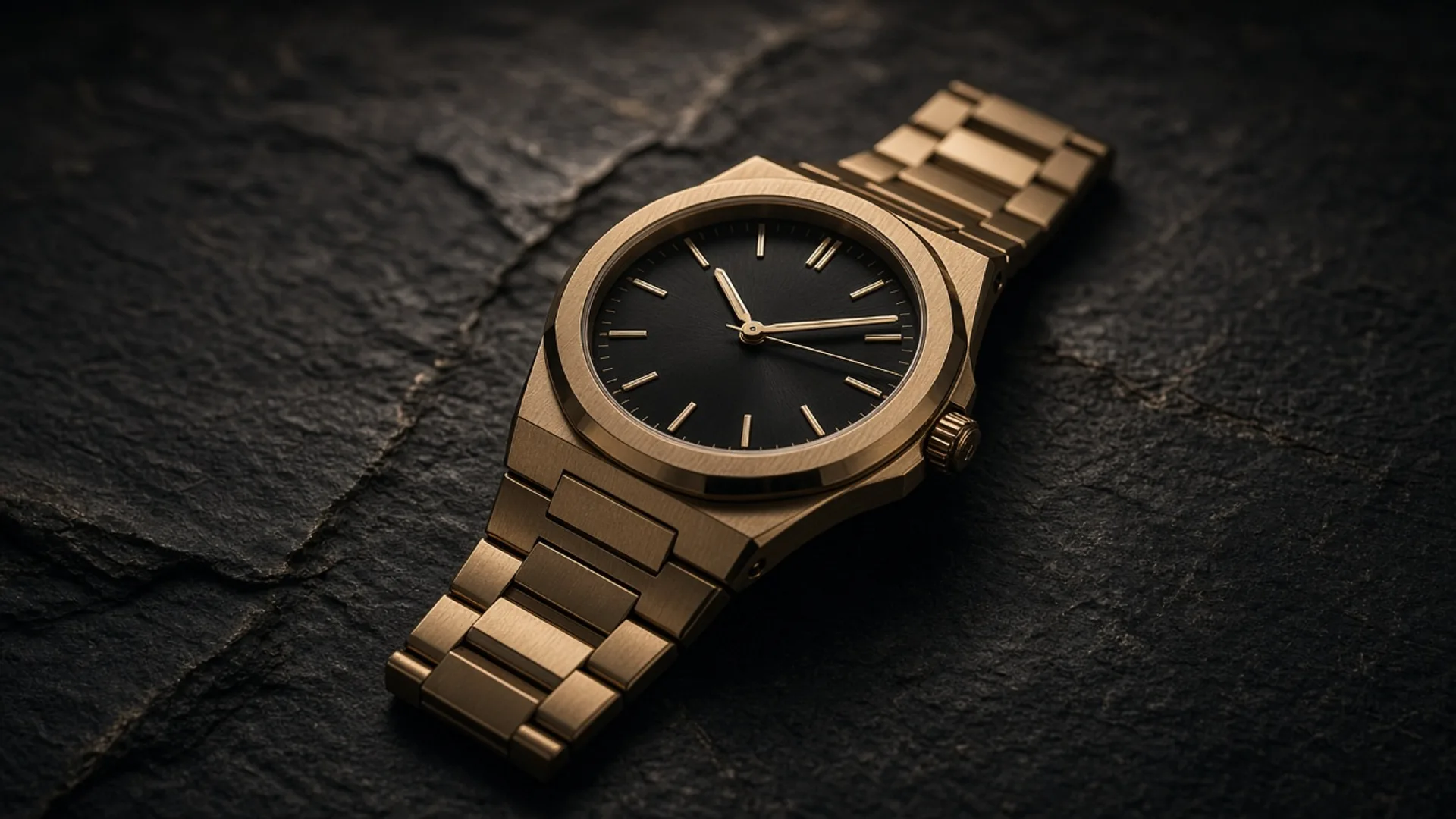
            A luxury wristwatch, editorial product photography, dark stone studio surface, close-up composition, soft directional lighting, warm gold and charcoal palette, refined and dramatic mood, brushed metal and subtle reflections --ar 4:3
          
Subject:
luxury wristwatch
Medium:
editorial product photography
Environment:
dark stone studio surface
Composition:
close-up
Lighting:
soft directional lighting
Color:
warm gold and charcoal
Mood:
refined and dramatic
Details:
brushed metal and subtle reflections
Parameter:
--ar 4:3
Structured Midjourney prompt example with visual elements

When to Change the Structure

Change the emphasis of the prompt when the image type changes. A product photograph may need stronger material and lighting descriptions, while a landscape may need more environmental, weather, and atmospheric information.

Common Mistakes

Do not treat the structure as a mandatory order. Move information around when a different organization communicates your idea more clearly.

Do not force every category into every prompt. Extra information is useful only when it supports the intended image.

Do not confuse visual descriptions with parameters. Parameters control generation settings, while descriptive words communicate the visual idea.

Frequently Asked Questions

What is the best Midjourney prompt structure?+
There is no single best structure. A practical starting point is subject, medium, environment, composition, lighting, color, mood, details, and parameters when needed.
Does Midjourney require a prompt formula?+
No. A prompt formula is a useful writing framework, not a required Midjourney rule.
Should the subject come first in a Midjourney prompt?+
Starting with the subject is a useful way to establish the main visual idea, but you can organize the prompt differently when another structure works better.
Do Midjourney parameters belong in the prompt structure?+
Parameters can be added to control specific generation settings. They are different from descriptive text about the image itself.
Does every Midjourney prompt need lighting and composition?+
No. Include lighting and composition when they matter to the image you want to create.

Create Your Next Image with Midjourney

Turn ideas, prompts, and visual references into new images with Midjourney.